Physical Address
304 North Cardinal St.
Dorchester Center, MA 02124
Physical Address
304 North Cardinal St.
Dorchester Center, MA 02124
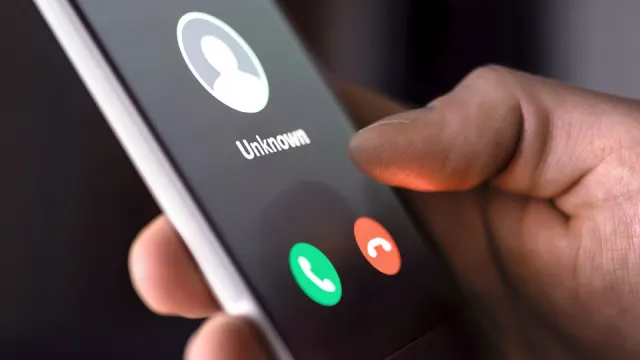
In the age of 4174992514 and instant communication, phone numbers are more than just a way to make a call—they are identifiers, access points, and sometimes even sources of confusion. When a number like 4174992514 appears on your screen, many people instinctively wonder: Who is calling? Is it important? Is it safe to answer?
Unknown numbers have become a common part of our daily communication. Some are from legitimate sources such as businesses, service providers, or personal contacts. Others may be spam, telemarketing, or even scam calls. With the rise of automated calling systems and widespread digital marketing, it’s easy to see why a number like 4174992514 can spark curiosity and caution.
Searching for unknown numbers online has become a normal behavior. People want clarity and safety before deciding to answer or respond. Numbers that are not saved in contacts naturally prompt research, especially if they appear multiple times or at unusual hours.
Understanding numbers like 4174992514 goes beyond simple curiosity—it reflects a growing need for awareness in today’s digitally connected society. Knowing the potential origins and purposes of such calls can help users manage communication effectively while protecting their privacy and security.
Phone numbers have evolved far beyond their original purpose of connecting landline telephones. Today, they serve as key identifiers in digital identity, online accounts, and communication platforms. A single phone number can be linked to email accounts, social media profiles, and authentication systems.
In a professional setting, businesses often assign dedicated phone numbers for customer support, sales inquiries, or service updates. When a number like 4174992514 calls, it could easily belong to an organization reaching out to clients, verifying information, or providing critical notifications.
On the personal side, mobile communication and messaging apps have integrated phone numbers as the core of user accounts. This means that numbers can now carry multiple roles: personal calls, text messaging, app notifications, and even automated alerts.
The multifunctional nature of phone numbers makes them powerful but also creates potential confusion. Unfamiliar numbers can appear suddenly, and without prior context, recipients often feel uncertain about the caller’s intent. Understanding this helps frame why numbers like 4174992514 draw attention and why researching them has become a common practice.
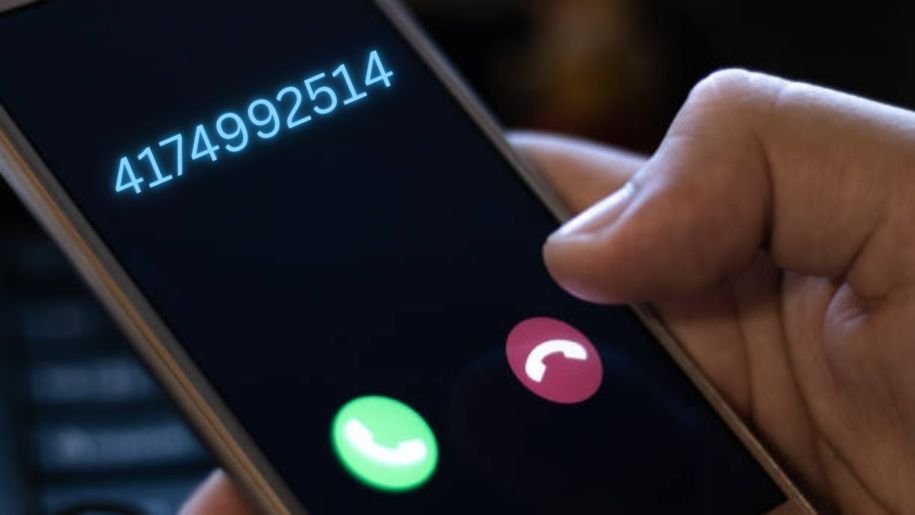
When an unknown number appears, people naturally want to know its origin. Searching for numbers like 4174992514 online has become a widely adopted practice for several reasons.
The first reason is curiosity. People want to know whether the call is from someone they know, a business, or an unknown source. A quick search can reveal whether others have reported interactions with the same number.
Another reason is safety. With increasing reports of phone scams, phishing calls, and fraudulent telemarketing, verifying the legitimacy of an unknown number is crucial. Users want to avoid sharing personal information or falling victim to financial scams.
Additionally, some people search phone numbers to check for spam activity. Websites and online communities maintain user-submitted databases of phone numbers, providing information about recurring calls, telemarketing attempts, or suspicious behavior.
Lastly, missed calls with no voicemail often prompt research. Instead of calling back blindly, users prefer to understand the source of the call before taking any action. Searching for numbers like 4174992514 gives them clarity and confidence in responding—or choosing not to respond—appropriately.
Not every unknown number should be considered suspicious. Many legitimate calls come from businesses, service providers, or even personal contacts using new numbers. For example, a healthcare provider may call to confirm an appointment, a delivery service may contact a customer, or a bank may verify recent activity.
However, distinguishing legitimate calls from spam is increasingly important. Telemarketing, automated calling systems, and scam operations often use random numbers or spoofed IDs to reach unsuspecting recipients. Being aware of these possibilities helps users make informed decisions.
One effective method is to observe the caller’s behavior. Legitimate organizations usually provide clear identification, professional communication, and verification options. Scammers, on the other hand, often create urgency or pressure recipients to share personal information quickly.
Another key strategy is to verify the number independently. For businesses or institutions, it’s safer to hang up and call the official number listed on their website rather than responding to an unknown caller.
By combining awareness, verification, and caution, users can navigate unknown calls safely, including those from numbers like 4174992514.
When receiving calls from numbers like 4174992514, several practical steps can help manage communication safely and effectively.
Let it go to voicemail: If the call is important, the caller will usually leave a message. Listening to voicemail provides context before deciding to return the call.
Search the number online: Many platforms and forums collect reports of unknown numbers. Searching the number can reveal whether others have identified it as spam, telemarketing, or legitimate communication.
Use built-in spam detection tools: Modern smartphones often include features that detect and warn users about potential spam numbers. These tools help block unwanted calls eficiently. Block repeated spam calls: If a number repeatedly calls without leaving a message or is confirmed as spam, blocking it can prevent future disturbances.
Verify before sharing personal information: Never provide sensitive data over the phone unless you are certain of the caller’s identity. If in doubt, contact the organization directly through official channels.
These strategies help maintain a secure and organized communication environment while reducing stress from unknown calls.
Technology has become essential in managing unknown numbers. Telecommunications companies and smartphone developers have introduced tools that improve call transparency and security.
Caller authentication is one such tool. It verifies that the number displayed on a phone truly belongs to the caller, reducing the risk of number spoofing.
AI-driven spam detection is another advancement. Artificial intelligence analyzes call patterns, frequency, and user reports to flag suspicious numbers. This ensures that numbers like 4174992514 are quickly identified if associated with unwanted or unsafe activity.
Dedicated call identification apps provide additional support by offering large databases of phone numbers and user-submitted feedback. These apps help users make informed decisions about whether to answer or ignore calls.
As these technologies continue to improve, managing unknown numbers will become easier, making communication safer and more efficient for everyone.
The phone number 4174992514 represents more than just a series of digits—it reflects the complexities of modern communication. In today’s digital world, unknown numbers are a normal part of daily life, arising from businesses, service providers, personal contacts, or automated systems.
By understanding how phone numbers function, researching unfamiliar contacts, and applying practical strategies, users can handle unknown calls confidently. Tools like voicemail, online searches, spam detection, and caller verification are key to staying informed and safe.
As technology continues to advance, transparency and identification will improve, helping individuals distinguish legitimate calls from spam or fraud. Numbers like 4174992514 remind us that awareness and responsible practices are essential in managing modern communication effectively.