Physical Address
304 North Cardinal St.
Dorchester Center, MA 02124
Physical Address
304 North Cardinal St.
Dorchester Center, MA 02124

When people search for “LQS login,” they are usually looking for quick access to a Learning or Quality System portal used by an organization, institution, or corporate platform. In most cases, LQS stands for a Learning Quality System, Learning & Qualification System, or a similar internal digital portal designed for structured access to training materials, reports, dashboards, and performance tools.
In this comprehensive guide, I will break down everything you need to know about LQS login—from what it is, how to access it securely, the common problems users face, and how to resolve them efficiently. The tone is simple, but the information is structured from a professional perspective to give you clarity and confidence.
The term “LQS login” refers to the authentication gateway that allows authorized users to enter an LQS portal. Typically, such systems are used in corporate environments, educational institutions, training organizations, and enterprise setups. The login process ensures that only verified users can access sensitive content such as training modules, certifications, employee records, or performance metrics.
From an operational standpoint, LQS portals are designed to streamline workflows. Instead of relying on manual record-keeping or scattered training documents, organizations centralize their systems. This means everything—assignments, compliance records, onboarding programs, and assessments—can be accessed in one place.
The login mechanism itself plays a critical role in security. Since LQS systems often store confidential data, proper authentication ensures compliance with data protection standards. Whether it’s a single sign-on system or a username-password combination, secure access is the foundation of the platform’s reliability.
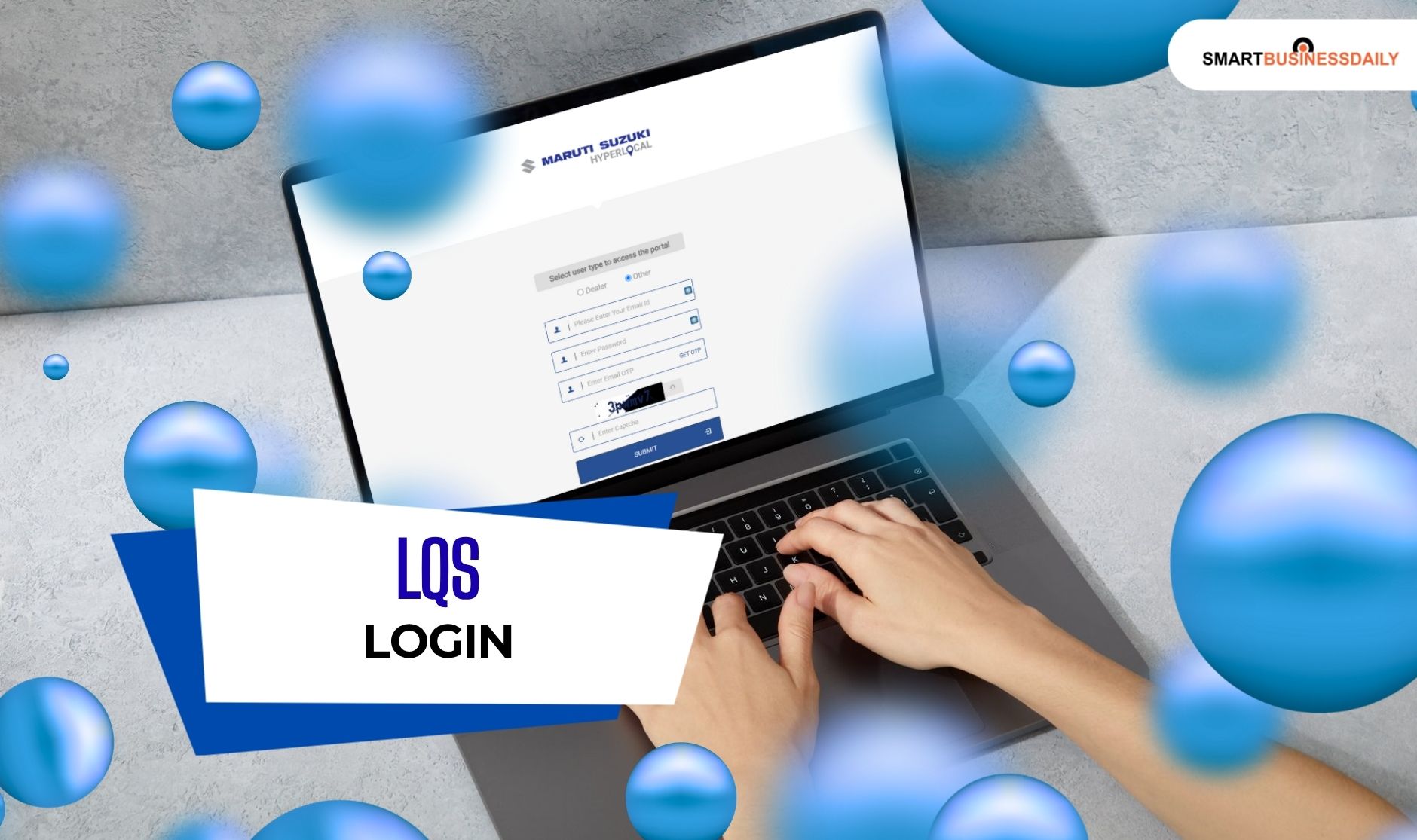
Accessing an LQS login portal is usually straightforward, but understanding the proper method ensures you avoid unnecessary errors. The first step is obtaining the official login URL. In most organizations, this link is shared via email, internal communication tools, or company dashboards.
Once you navigate to the login page, you will typically see fields for your username or employee ID and password. Some platforms also include two-factor authentication (2FA), which sends a code to your registered email or mobile device. This additional layer of security significantly reduces unauthorized access risks.
After entering your credentials, click the login button. If everything is correct, you will be redirected to your personalized dashboard. Here, you can access modules, reports, training sessions, and other system-specific features. It’s recommended to bookmark the official page for faster access in the future, but always verify the URL to avoid phishing attempts.
Once logged into the LQS system, users gain access to a range of features depending on their role and permissions. For employees, the dashboard may include training courses, compliance certifications, attendance tracking, and performance evaluations. For administrators, there are often additional tools like analytics dashboards and user management panels.
One of the most valuable features of an LQS portal is progress tracking. Users can monitor their learning journey, see completed modules, review assessment scores, and identify pending tasks. This transparency improves accountability and encourages continuous development.
Another strong feature is reporting and analytics. Managers and supervisors can analyze training effectiveness, compliance completion rates, and performance data in real time. Instead of manually collecting reports, the system automates insights, saving both time and resources.
Even well-designed systems sometimes present login challenges. The most common issue users face is entering incorrect credentials. This can happen due to typing errors, expired passwords, or incorrect usernames. In such cases, using the “Forgot Password” option is usually the fastest solution.
Another frequent issue involves browser compatibility. Some LQS systems function best on updated browsers like Google Chrome, Mozilla Firefox, or Microsoft Edge. If you experience loading problems, try clearing your cache, disabling browser extensions, or switching to a different browser.
Sometimes, access problems occur due to account suspension or permission restrictions. In such cases, contacting your organization’s IT support team is essential. Avoid creating duplicate accounts or using unauthorized workarounds, as this can compromise system integrity.
Security should never be taken lightly, especially when dealing with enterprise systems. Always create a strong password that includes a mix of uppercase letters, lowercase letters, numbers, and symbols. Avoid using easily guessable information such as your birthdate or simple number sequences.
Enable two-factor authentication whenever available. Even if someone manages to obtain your password, 2FA adds an additional verification layer that protects your account. This practice is especially important if you access LQS portals from public or shared networks.
Finally, log out after completing your session, particularly on shared devices. Many security breaches occur not because of hacking, but because users forget to log out. A simple habit of clicking “Sign Out” can significantly reduce risk exposure.
From a strategic perspective, LQS systems are more than just login portals. They are productivity tools. By centralizing learning, compliance, and quality management, organizations eliminate inefficiencies caused by fragmented systems.
Employees benefit from structured development paths. Instead of randomly assigned tasks, LQS systems align learning objectives with organizational goals. This improves performance consistency and ensures that everyone meets required standards.
For management, the advantage lies in data-driven decisions. With built-in analytics, leaders can identify skill gaps, optimize training programs, and measure outcomes effectively. This transforms learning from a passive activity into a measurable performance driver.
Modern LQS systems often support mobile-friendly interfaces. Whether accessed through a mobile browser or a dedicated application, users can log in and continue their learning journey from anywhere. This flexibility is especially valuable for remote teams and hybrid work environments.
Remote access also increases training completion rates. Employees are not restricted to office systems and can complete mandatory modules at their convenience. However, when accessing remotely, secure internet connections are crucial to prevent data breaches.
Some organizations also integrate LQS login with single sign-on systems. This means users can access multiple enterprise tools with one set of credentials. It simplifies authentication while maintaining high security standards.
Understanding LQS login goes beyond simply entering a username and password. It’s about recognizing the role of structured access in modern digital environments. Whether you’re an employee accessing training modules or an administrator managing compliance records, the login portal is your gateway to a powerful ecosystem.
By following proper login procedures, maintaining strong security practices, and troubleshooting issues methodically, you can ensure a smooth experience. LQS systems are built to enhance productivity, support development, and safeguard sensitive data.