Physical Address
304 North Cardinal St.
Dorchester Center, MA 02124
Physical Address
304 North Cardinal St.
Dorchester Center, MA 02124

Mary Nightingale Voice Change has long been a trusted face in British broadcasting. As the anchor of the ITV Evening News, her clear and professional delivery has made her voice familiar to millions across the UK. However, in recent years, fans and viewers have noticed subtle changes in her voice, sparking discussions and curiosity online. In this article, we’ll explore the possible reasons for this change, separate fact from speculation, and highlight what it really means for a seasoned broadcaster like Mary Nightingale.
Mary Nightingale’s career spans several decades, making her one of the most recognizable news presenters in the UK. Her voice has always been a key part of her professional identity, conveying authority, clarity, and trustworthiness. From early morning briefings to prime-time news broadcasts, Mary’s voice has been central to delivering important information to the public.
Over the years, her tone and delivery style have evolved naturally with experience. It’s important to remember that the voice of a professional broadcaster is a tool honed over years of practice, training, and live performance. Changes in such a voice often reflect the natural course of long-term vocal use rather than anything alarming.
Moreover, Mary’s voice is not just a communication tool; it has become a part of her brand. Viewers associate her calm, measured tone with reliability and journalistic integrity, which makes any noticeable change all the more striking to her audience.
Recently, some viewers have commented that Mary’s voice sounds slightly different than before — perhaps raspier, a little lower, or simply less smooth. These observations have sparked curiosity and online discussions. But why do viewers notice these changes?
One key reason is the human tendency to remember voices in a fixed way. People become accustomed to a particular pitch, tone, and cadence, so even a small shift can feel significant. For someone who has been broadcasting consistently for decades, minor variations are almost inevitable.
Another factor is the heightened scrutiny public figures face today. Clips from live broadcasts are shared widely online, and social media encourages instant commentary. Even temporary or subtle changes in voice can attract attention, giving the impression of a “dramatic change” when it may be completely normal.
Lastly, our own hearing perceptions fluctuate based on environment, audio quality, and personal expectations. A voice might sound different at home on a television compared to live in the studio. These factors all contribute to viewers perceiving a change in Mary Nightingale’s voice.
There are several natural reasons why a professional broadcaster’s voice might change over time. One of the most common is aging. As we get older, the vocal cords gradually lose elasticity and muscle tone, which can lead to a slightly raspier or lower voice. This is a normal biological process and does not necessarily indicate any health issues.
Professional vocal use is another factor. Broadcasters speak for long periods under pressure, often with limited rest. This can lead to vocal fatigue or minor strain. Such conditions may temporarily alter the voice, making it sound different from previous broadcasts.
Environmental factors also play a role. Studio conditions, air quality, and even hydration levels can influence how a voice sounds. A dry studio or an intense day of broadcasting can leave a voice sounding hoarser or more tired than usual.
Finally, temporary illnesses, such as colds or mild throat infections, can affect vocal quality. These are often short-lived and resolve quickly, but during this time, the voice may appear noticeably different to attentive viewers.
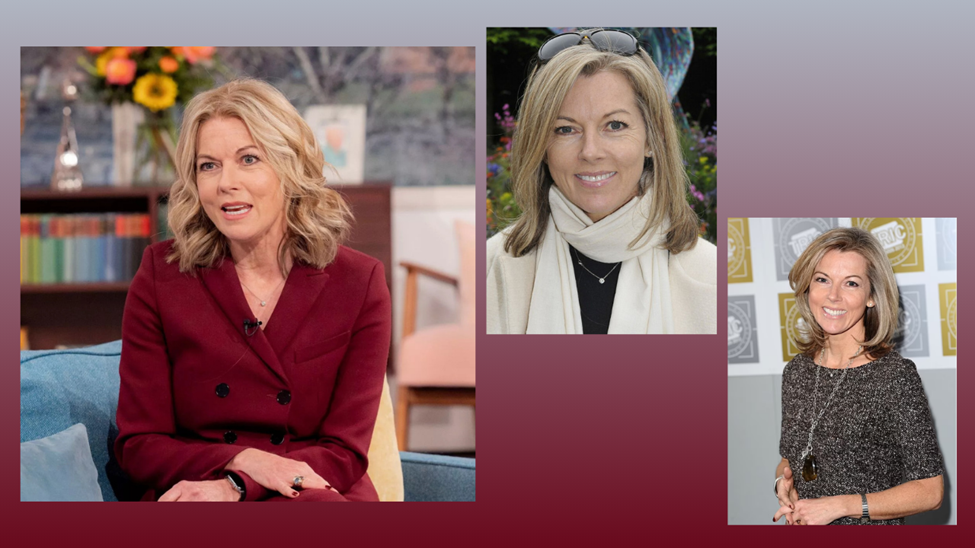
Whenever a public figure’s Mary Nightingale Voice Change, it often leads to speculation about health or other personal issues. In Mary Nightingale’s case, rumors have circulated online, sometimes suggesting serious illness or other problems. However, there is no verified information to support these claims.
It’s essential to differentiate between normal vocal changes and issues that genuinely require concern. Minor changes in tone, pitch, or raspiness are natural and common for anyone with a long career in broadcasting. They do not necessarily indicate illness or any underlying medical condition.
Mary Nightingale’s continued presence on live broadcasts demonstrates her professionalism and overall well-being. Even with small vocal variations, she maintains her trademark clarity and authority, reassuring viewers that she is performing at a high level.
Professional broadcasters like Mary Nightingale often take vocal care seriously. This can include:
Even with these precautions, minor variations in the voice are expected, especially after years of daily use. The human voice is dynamic, and it naturally evolves with age and experience.
Social media has amplified attention to Mary Nightingale’s voice. Viewers often react immediately to even small differences in broadcasts, sometimes speculating about causes without context. While this shows her popularity and the attention her work receives, it can also create unnecessary worry.
It’s important to approach such discussions with perspective. Vocal changes are often subtle, temporary, and natural. What might seem like a dramatic change on a social media clip may be almost imperceptible in the context of a full broadcast.
In many online discussions, fans have defended Mary, emphasizing that her professionalism and credibility remain intact. Her voice may have subtle differences, but the trust and reliability she conveys continue to resonate strongly with audiences.
Mary Nightingale’s voice has been part of British broadcasting for decades. Any perceived changes are likely the result of natural aging, professional vocal use, or temporary conditions. These shifts are not uncommon and do not undermine her skill or authority as a news presenter.
Her continued role as a lead anchor demonstrates that she remains highly capable and respected in her field. Fans can take comfort in knowing that a few subtle changes in tone or raspiness are a natural part of a long career and do not detract from the clarity and professionalism that have defined her work for years.
Ultimately, Mary Nightingale’s voice tells a story of experience, dedication, and resilience — qualities that matter far more than perfect vocal consistency. As viewers, we can appreciate her continued commitment to delivering news with accuracy, calm, and authority, regardless of minor changes in her vocal tone.